Overview
Lithuania's coastline is short — just under 100km, the shortest of the Baltic states — but what it lacks in length it makes up for in character. Charters sail out of Klaipėda, the country's only major port, into two very different waters: the sheltered, shallow Curonian Lagoon to the south, and the open Baltic Sea along the coast to the north. It's an uncrowded, unusual, and genuinely beautiful alternative to the Mediterranean's more famous grounds.
This is gentle, forgiving sailing — light-to-moderate summer winds, short hops, and calm inland water on the lagoon side — making it a relaxed introduction to Baltic cruising. The trade-off is a short season and shallow water that limits draft, so it suits smaller sailing yachts and catamarans best.
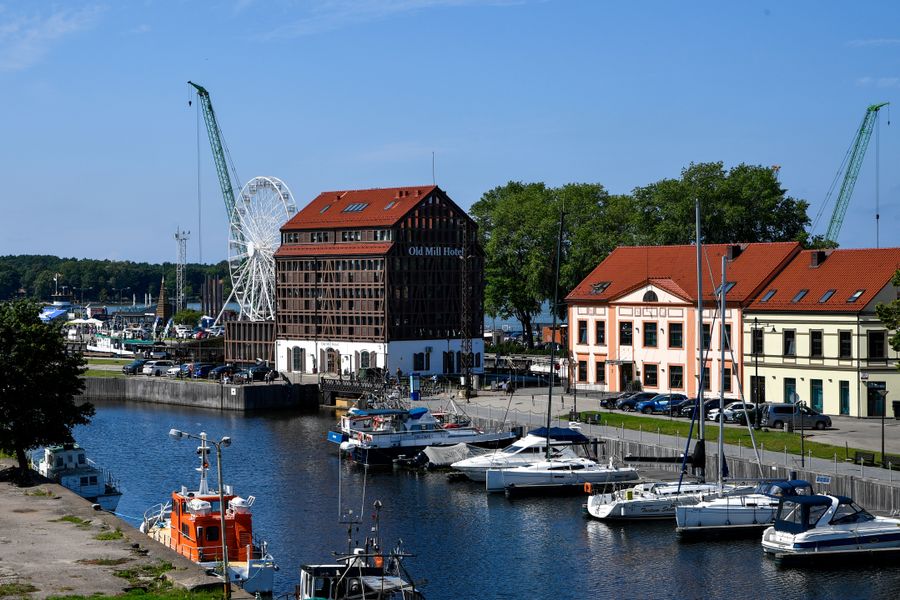
The Curonian Lagoon
The Curonian Lagoon, separated from the open Baltic by the narrow Curonian Spit, is Lithuania's most popular cruising ground — calm, sheltered, and shallow (often under 2 metres, so draft is a real constraint). From Klaipėda, boats sail south past Juodkrantė, with its Hill of Witches sculpture trail, toward Nida, a picturesque resort town beloved for its dunes and colourful fishing-village charm. Further south, the tiny stilted village of Mingė — sometimes called the 'Lithuanian Venice' — makes a memorable detour.
The Curonian Spit & its dunes
The Curonian Spit is the reason to come. A UNESCO World Heritage Site, this 98km sand-dune peninsula separates the lagoon from the Baltic Sea, its Great Dune Ridge among the tallest shifting dunes in Europe. Anchoring off Nida to walk the grey dunes at sunset, or exploring the pine-forested Curonian Spit National Park, is unlike anywhere else in the Baltic.
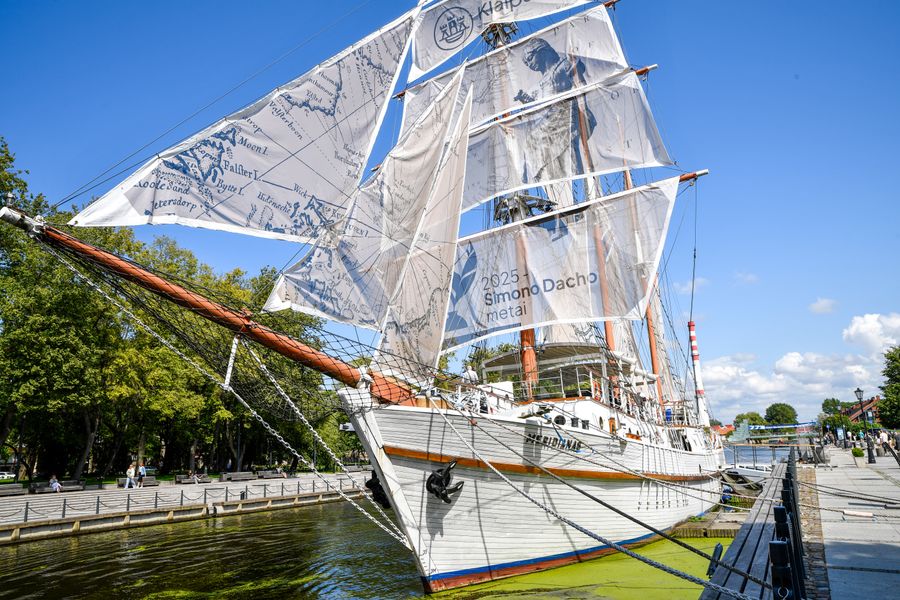
The Baltic Sea coast
North from Klaipėda, the open Baltic Sea coast leads to Palanga, Lithuania's liveliest seaside resort, with sandy beaches and a well-known pier. This side is more exposed than the lagoon, with typical Baltic chop, and suits those wanting a taste of proper open-water sailing alongside the calmer lagoon cruising. Ambitious sailors sometimes continue north toward Latvia (Liepāja, Riga) or the wider Baltic — Gdańsk, Stockholm, and Gotland are all reachable multi-day passages from here.
Best time to go
The sailing season is short and firmly summer-only: June through August. July and August bring the mildest, most settled weather, with air temperatures reaching the low-to-mid 20s°C and water around 18°C — refreshing rather than warm. Winds are moderate and manageable in this window; June can bring stronger, more unpredictable weather. Outside summer, the season effectively closes.
Charter bases & costs
Nearly all charters depart from Klaipėda — either the Old Town's Castle Harbour or the Smiltynė Yacht Club. The fleet is small and mostly smaller sailing yachts and a handful of catamarans, so this is a low-key, uncrowded scene rather than a big commercial charter hub. Bareboat sailing yachts typically run $1,500–$4,000 per week, among the most affordable sailing in Europe — bareboat charter requires a recognised qualification (RYA, ICC, or similar); skippered options are readily available for those without one.