Plan your meals before you shop
The golden rule: plan the week's meals before you set foot in a shop. Decide which nights you'll eat aboard and which ashore — typically you'll cook 4–5 dinners and eat out the rest. Sketch out breakfasts, lunches, and dinners, then build your list from there. This prevents both the panic over-buy and the mid-week shortfall.
Water: the non-negotiable
Water is your most important provision. A yacht's tanks may hold plenty, but tank water is best kept for washing and cooking. Allow 2–3 liters of bottled drinking water per person per day — more in the tropics. For six people over a week, that's 100+ liters. Buy it early and stow it low for stability.
How much food to buy
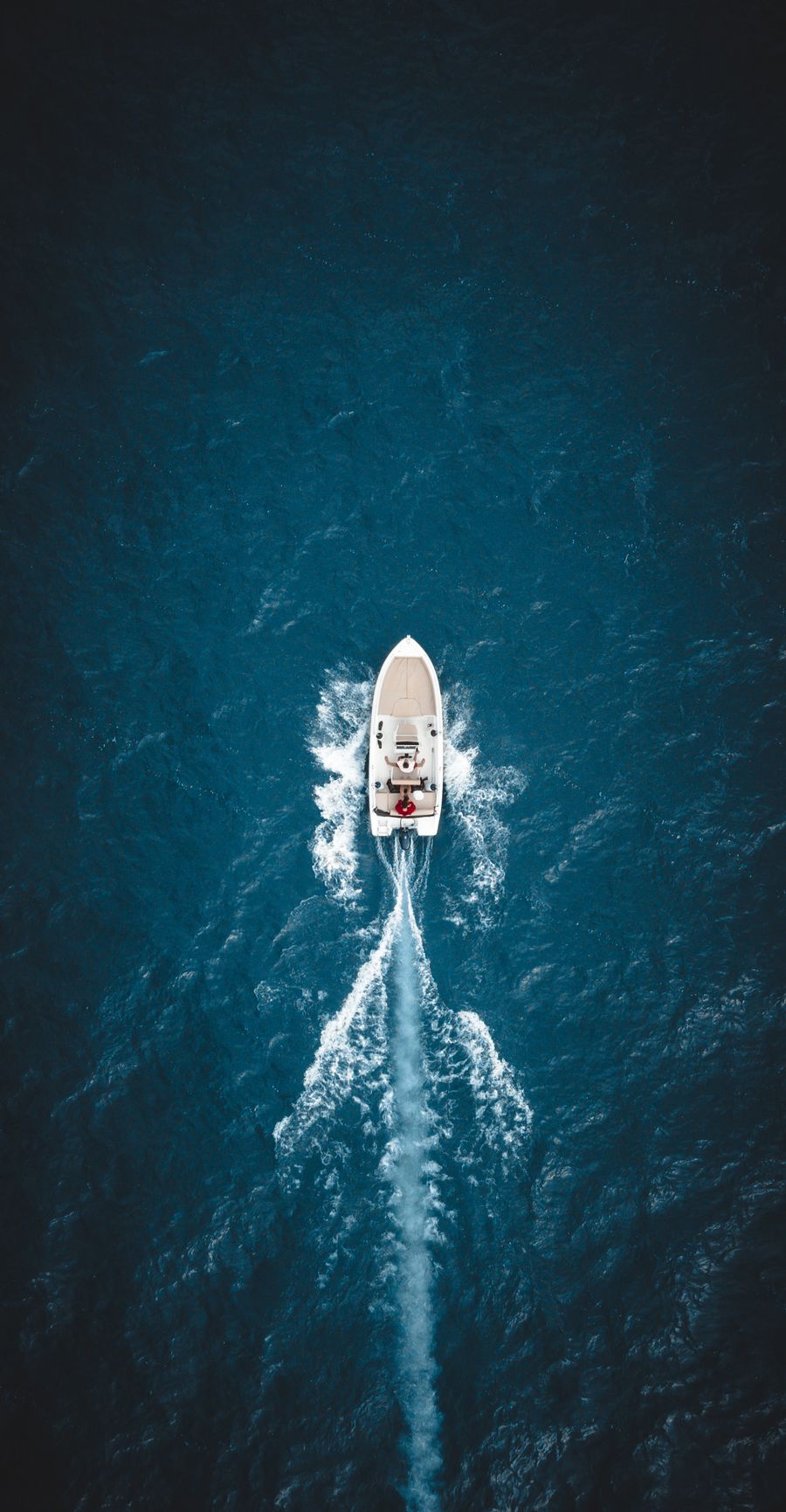
People eat less at sea than they expect for lunch and breakfast, but a good dinner aboard is a highlight. Plan simple, robust meals: pasta, rice, one-pot dishes, fresh fish from local markets. Buy fresh produce in stages if you'll pass towns mid-charter rather than loading a week's worth of perishables on day one.
Stowing it all
Stowage is the art of charter provisioning. Decant where you can — cardboard packaging harbors damp and pests, so transfer dry goods to sealable containers. Stow heavy items low and central for stability. Keep a daily-use locker near the galley, and remember: anything that can roll, will.
Fresh vs long-life
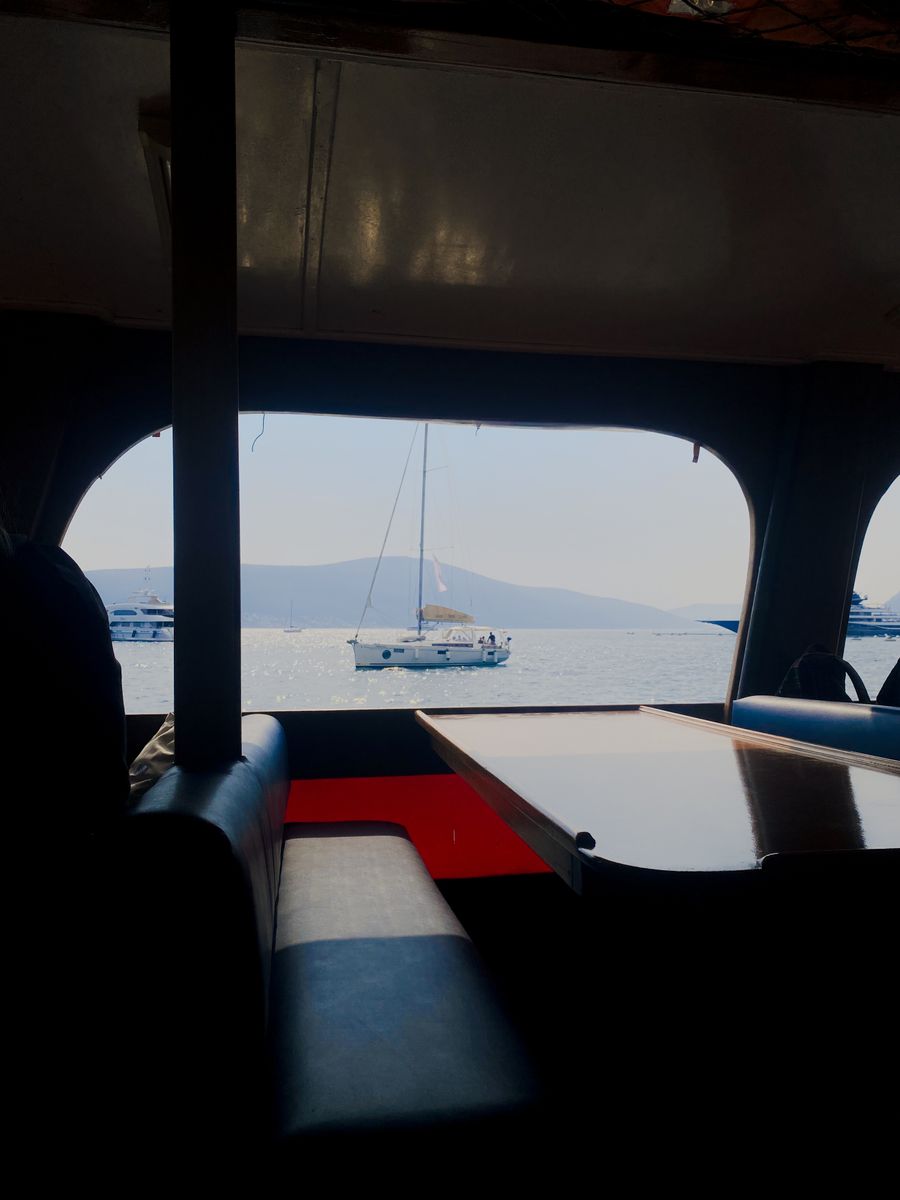
Fridges on charter yachts are small and fight a losing battle with the heat. Lean on long-life staples — UHT milk, tinned tomatoes, cured meats, hard cheeses, eggs (which keep unrefrigerated for weeks) — and treat the fridge as precious space for a few days' fresh items at a time. Net bags hung in the shade keep fruit and veg longer than the fridge.
A sample starting list
For six people, a week: 100L+ drinking water, coffee and tea, UHT milk, cereal and oats, bread and crackers, pasta and rice, tinned tomatoes and pulses, olive oil, eggs, hard cheese, cured meat, fresh fruit and vegetables in stages, snacks for watches, and plenty of your preferred drinks. Add local specialties as you go — half the joy is shopping the markets.
Hard-won tips
Freeze some meals at home if your base allows, and use them as ice. Bring a few spices from home — charter galleys are notoriously bare. Pack a sharp knife and a decent corkscrew. And always over-cater slightly on coffee, snacks, and the first night's dinner, when everyone's tired and hungry after travel.