Overview
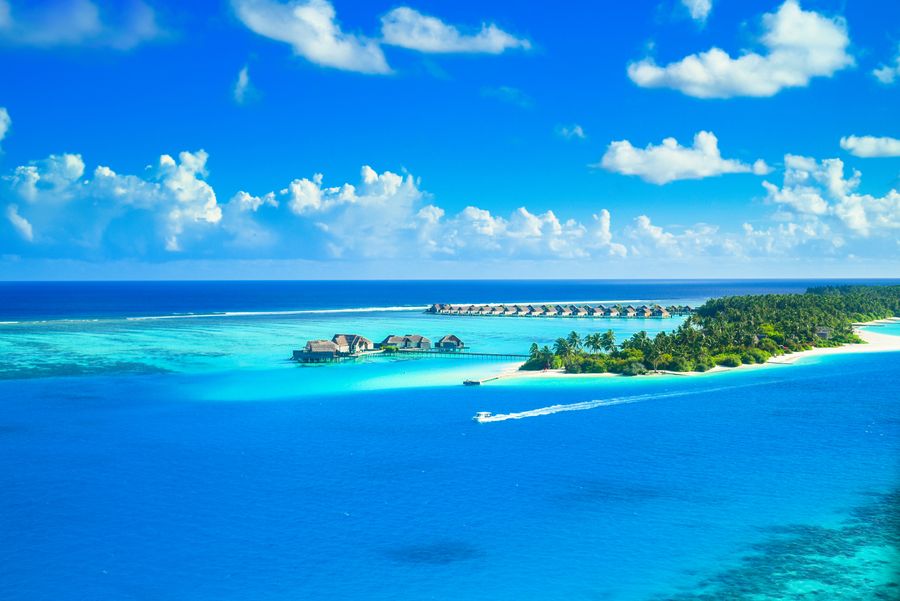
The Maldives sits right on the equator, so it's warm year-round. The key variable is the monsoon: the dry northeast monsoon (November–April) brings the calmest seas and clearest water, while the wet southwest monsoon (May–October) brings more wind, rain — and the famous manta and whale shark aggregations.
Peak season: December–March
December through March is the prime sailing window — sunny, dry, with light winds and glassy lagoons. Visibility for diving and snorkeling is at its best. This is also peak tourist season, so book early and expect premium prices.
Wildlife season: May–November
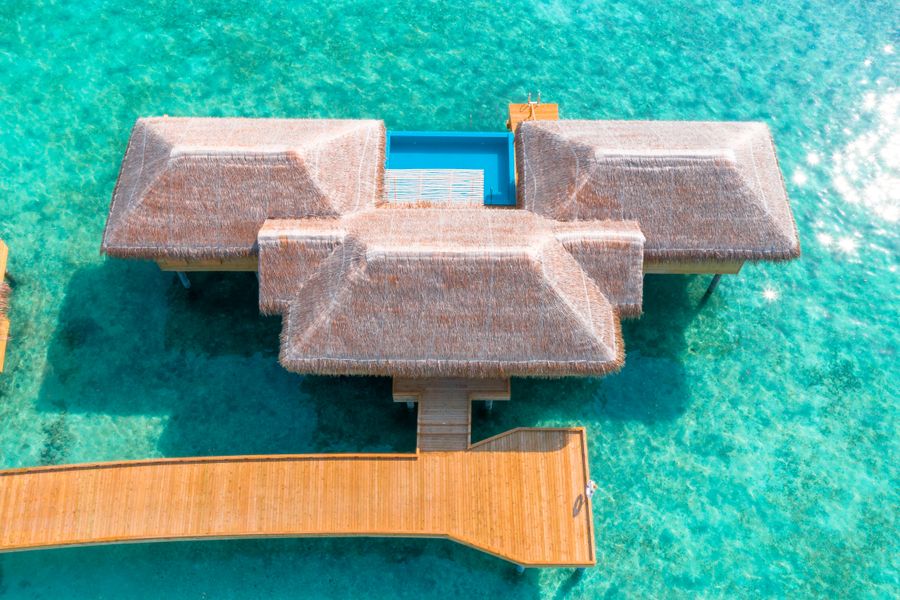
The southwest monsoon brings more unsettled weather but also the year's best wildlife. Hanifaru Bay in Baa Atoll hosts huge gatherings of manta rays and whale sharks between May and November, drawing divers from around the world.
Planning around the weather
There's no truly 'bad' time, but expect more rain and wind May–October. For pure sailing comfort, choose the dry season; for wildlife encounters, accept the chance of squalls during the wet months.
Month-by-month breakdown
The Maldives is warm year-round — the variable is rain, wind, and what wildlife is doing:
| Month | Weather | Wind & sea | Verdict |
|---|---|---|---|
| Jan | Dry, sunny, 27–30°C | NE monsoon, calm lagoons | Excellent — peak |
| Feb | Driest month | NE, glassy water, best visibility | Excellent — peak |
| Mar | Dry, hot | NE fading, calm | Excellent |
| Apr | Transition, humid | Light, variable | Good — mantas arriving |
| May | First SW rains | SW building, some swell | Fair — wildlife season starts |
| Jun | Wetter, breezy | SW 10–20kt | Fair — surf & manta season |
| Jul | Showery spells | SW winds | Fair — Hanifaru mantas |
| Aug | Wet season peak | SW winds, chop between atolls | Fair — peak mantas |
| Sep | Wet, quieter | SW easing | Fair — mantas & whale sharks |
| Oct | Rain easing | Transition, variable | Fair–good |
| Nov | Drying out | NE returning | Good — shoulder value |
| Dec | Dry season begins | NE, settling | Very good — holiday premium |
The wildlife calendar
The Maldives' great paradox: the best weather and the best wildlife happen in opposite seasons. December–March gives you glassy lagoons and 30-metre visibility on the reefs. But the famous manta ray and whale shark aggregations at Hanifaru Bay (Baa Atoll) run May–November, peaking July–September, when the southwest monsoon concentrates plankton in the bay — hundreds of mantas can feed there at once. Whale sharks are resident year-round in South Ari Atoll, so a dry-season charter can still deliver the biggest fish in the sea.
If wildlife is the priority, accept some squalls and book August–September; if it's honeymoon-calm water you want, book February and route via South Ari for whale sharks.