Overview
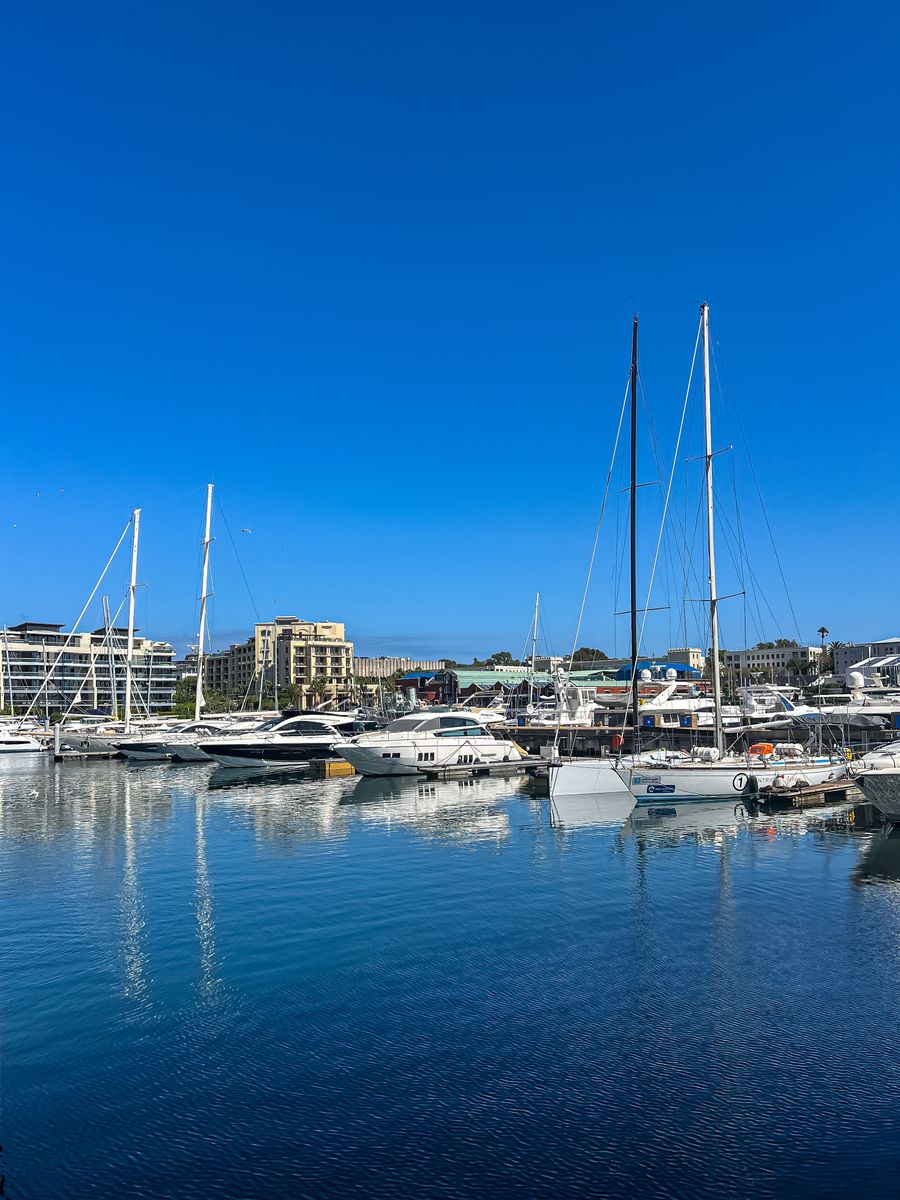
France offers two fundamentally different sailing worlds. In the south, the Mediterranean — the Côte d'Azur, the Calanques, and the island of Corsica — offers warm, summer sailing with reliable winds and stunning scenery. In the northwest, Brittany and the Atlantic coast deliver a completely different experience: powerful tides, dramatic rocky coastlines, and some of Europe's most technically demanding sailing. Both are world-class; which you choose depends entirely on what kind of sailor you are.
Côte d'Azur
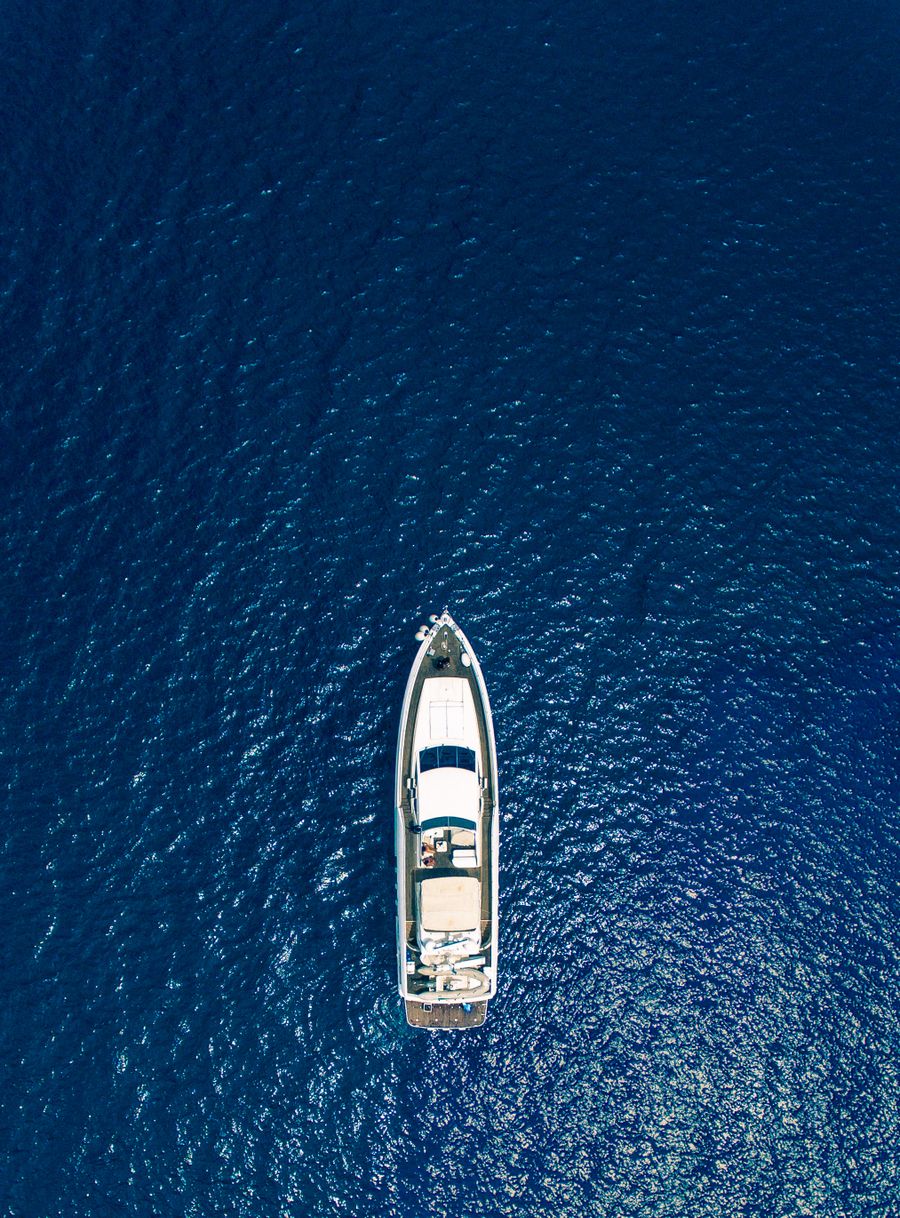
The French Riviera is superyacht territory — Monaco, Nice, Cannes, Antibes, Saint-Tropez — but it's perfectly accessible to charter sailors too. Antibes is the main charter base, positioned between Nice and Cannes, with good marina facilities and a genuine sailing town atmosphere. The Îles de Lérins (Cannes) are beautiful anchorages within 15 minutes of the marina. The Calanques near Marseille — sheer white limestone inlets accessible only by sea — are among the most spectacular sailing in France. The mistral is the defining weather feature: a cold, dry northerly wind that funnels down the Rhône valley and can reach force 7–8 with little warning. It comes in 3-day cycles — watch for it.
Corsica
Corsica is the Mediterranean at its most dramatic. The west coast — from Calvi in the north to Bonifacio in the south — is the sailing highlight: sea cliffs, granite inlets, crystal-clear water, and the dramatic Strait of Bonifacio (between Corsica and Sardinia), one of the most challenging straits in the Mediterranean. Bonifacio itself, perched on 70-metre limestone cliffs above the strait, is one of the great harbour arrivals in European sailing. The east coast is quieter and less dramatic. Charter from Ajaccio or Calvi — fly into either.
Brittany & the Atlantic
Brittany is not for beginners. Strong tidal streams (up to 8 knots in some channels), rocky reefs, Atlantic swells, and rapidly changing weather make this serious sailing country. But the rewards are extraordinary — the Morbihan Gulf (a huge tidal inland sea with 40+ islands), the Quiberon Peninsula, the Île de Groix, and the spectacular coast toward Saint-Malo. Base from Lorient, La Trinité-sur-Mer, or Brest. Visit in June, July, or August — Brittany's shoulder seasons are genuinely challenging.
Best time to go
Mediterranean (Côte d'Azur and Corsica): May, June, and September are ideal. July and August are busy and expensive but warm and reliable. Brittany: June through August only — Atlantic weather windows are short and the tides don't care about your schedule.
Charter bases
Antibes is the main Riviera charter hub. Ajaccio and Calvi for Corsica. La Trinité-sur-Mer, Lorient, and Brest for Brittany. Corsica charters are excellent value compared to the Riviera — similar quality, significantly lower prices.